What Happens If You Don't Repay a Loan App in India? The Honest Truth

Updated: 4 days ago
If a loan app agent says “police will come today” or “you will go to jail,” panic can take over fast. That is exactly why many borrowers search what happens if I don't pay loan app in the middle of a crisis.
Here is the honest answer. In most cases, not being able to repay a personal loan or instant app loan is treated as a civil debt issue, not a crime by itself. That does not mean there are no consequences. It means fear, threats, and abuse are not the same as lawful recovery.
Scared by a legal notice or threat? Get it checked free with Payday Rescue. WhatsApp: +91 98865 50910.
Payday Rescue helps borrowers across India deal with payday loan settlement, instant loan app debt, and payday loan agent harassment. The consultation is free, and the goal is simple: understand what is real, what is pressure, and what can be negotiated.

Myth vs fact about loan app non-payment in India
Loan app recovery conversations often mix truth, exaggeration, and illegal intimidation. Use this quick breakdown to separate the three.
Myth | Fact |
“If I miss repayment, I will be arrested.” | Non-payment of a loan is generally a civil matter. You cannot usually be arrested simply because you cannot pay. |
“A recovery agent can call my contacts.” | Regulated lenders and agents must follow fair recovery practices. Shaming, blackmail, and abusive calls are not acceptable. |
“A legal notice means police action is confirmed.” | A legal notice is often a demand for payment. It should be reviewed, but it does not automatically mean arrest. |
“Deleting the app solves the problem.” | The debt may still remain. Interest, charges, credit reporting, and recovery action can continue. |
“Illegal apps cannot harm me at all.” | Their legal threats may be weak or false, but harassment, data misuse, and stress can still be serious. Report and document it. |
A missed payment can create real problems. But jail threats for simple inability to pay are commonly used to scare borrowers into paying anything immediately, even when the amount is inflated or the app is not following the rules.
The safest approach is to verify the lender, check the claim, document all communication, and explore settlement before the situation gets worse.
Can loan apps take legal action in India
Yes, some lenders can take legal action. The better question is, what kind of action can they take?
If the lender is a bank, NBFC, or a regulated lending partner, it may have legal options to recover unpaid dues. These options usually fall under civil recovery, not criminal punishment.
A regulated lender may do some or all of the following:
Send repayment reminders by call, SMS, email, WhatsApp, or letter
Add late fees, interest, or other charges as per the agreement
Report missed payments to credit bureaus
Send a legal notice through an advocate
Start arbitration or civil recovery proceedings if the loan agreement allows it
Use recovery agents, but only through proper and fair methods
That means loan app default consequences can be serious. A default can hurt your credit score, make future loans harder, and increase the amount due. If the agreement has valid clauses for arbitration or legal recovery, the lender may use them.
But a legal recovery process is different from random threats such as:
“Police complaint has been filed today”
“Your Aadhaar will be blocked”
“Your family will be arrested”
“We will publish your photo”
“Pay in 30 minutes or FIR will happen”
Those statements are often pressure tactics, especially when they come from unknown numbers, abusive agents, or unverified apps.
If you receive an actual legal notice, do not ignore it. Also, do not panic-pay without checking it. Get professional advice, confirm whether the lender is genuine, and understand your options.
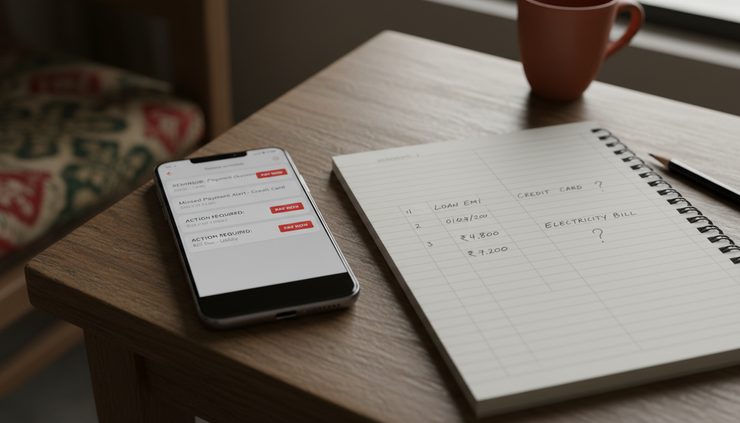
What illegal loan apps do and why their threats are often empty
Many borrowers dealing with instant loan apps are not only facing debt. They are facing harassment.
Unregulated or illegal apps may use aggressive and unlawful recovery methods. These can include:
Calling repeatedly from different numbers
Using abusive language
Threatening to contact family, employer, or neighbours
Sending morphed photos or defamatory messages
Accessing contacts or gallery data that was taken through app permissions
Claiming a fake loan app police case has been filed
Demanding repayment of inflated amounts beyond the original loan and stated charges
These threats are often designed to create shame and fear. The agent wants you to pay quickly without asking questions.
Still, do not treat harassment casually. Even if the threat is empty, the behaviour may need reporting.
If an app or agent is threatening you, take these steps:
Save evidence
Keep screenshots, call recordings where lawful, WhatsApp chats, SMS messages, UPI details, app screenshots, and payment receipts.
Do not share more data
Do not send Aadhaar, PAN, selfie videos, bank statements, passwords, OTPs, or contact lists to unknown agents.
Do not accept inflated figures blindly
Ask for the loan agreement, disbursal proof, lender name, registered entity details, and breakup of principal, interest, and charges.
Report serious harassment
If there is blackmail, threats, data misuse, obscene messages, impersonation, or morphed photos, consider reporting it through the cybercrime portal or to local police.
Get the case reviewed
Payday Rescue can help you review the situation and decide whether settlement, dispute response, or reporting is the right next step.
The key point is this: illegal recovery behaviour does not erase every debt automatically, but it can change how you respond. You need a calm plan, not a panic payment.
The real consequences of not paying a loan app
Borrowers are often so scared of jail threats that they miss the consequences that actually matter.
Your credit score may drop
If the lender reports to credit bureaus, missed payments can appear on your credit report. This may affect future personal loans, credit cards, vehicle loans, and sometimes employment-related checks in roles where credit history matters.
Not every illegal app reports to bureaus, but regulated lenders often can. If the loan came through an app but was actually funded by an NBFC or bank, credit reporting is more likely.
The amount due can grow
Late fees, penal charges, bounce charges, and interest can increase the outstanding balance. Some apps add excessive charges, which should be checked carefully. Regulated lenders must follow applicable rules and disclosures, while illegal apps may inflate dues unfairly.
Always ask for a written breakup.
Recovery pressure may increase
Ignoring calls may feel peaceful for a day, but it can increase pressure later. Lenders may escalate to legal notices, collection agencies, or settlement offers. Illegal apps may become more aggressive.
You do not need to tolerate abuse. But you should not disappear without a plan.
Your bank account may face auto-debit attempts
If you gave an e-mandate, NACH mandate, or auto-debit permission, failed debit attempts may lead to charges. Keep track of your bank statements and revoke or manage mandates through proper banking channels where needed.
Legal notices need attention
A legal notice does not mean you are guilty of a crime. It is usually a formal demand. But it should be taken seriously. If the notice mentions arbitration, court action, cheque bounce, fraud, or criminal allegations, get legal or professional advice before replying.

Why ignoring the loan app is usually the worst option
Silence rarely solves loan app debt. It often makes the fear bigger.
When you ignore everything, you lose control over the story. The lender or agent keeps adding charges, calling contacts, sending notices, or pushing inflated claims. You also lose the chance to negotiate early.
A better approach is to create a response plan.
Start with these checks:
Who is the actual lender?
Is it a bank, NBFC, lending partner, or unknown app?
How much was disbursed into your account?
How much have you already paid?
What is the written agreement?
Are the charges reasonable and documented?
Has the lender reported to credit bureaus?
Have agents used threats, abuse, or data misuse?
Once those facts are clear, you can choose the next step. For many borrowers, that step is settlement.
Better options when you cannot repay the full amount
If you cannot pay the full outstanding amount, do not promise money you do not have. That leads to broken commitments and more pressure.
Look at practical options instead.
Ask for time in writing
If your income problem is temporary, ask for a clear extension. Keep the message short and factual. Avoid emotional arguments. Ask the lender to confirm the revised date and charges in writing.
Negotiate a settlement
A settlement means the lender may agree to close the account for a reduced amount or structured payment. The result depends on the lender, loan age, outstanding amount, payment history, and documentation.
No one can guarantee a settlement. But a properly handled negotiation can reduce confusion and stop endless back-and-forth with agents.
Before paying any settlement amount, ask for:
Written settlement confirmation
Correct lender name and account details
Payment deadline
Confirmation of closure after payment
Receipt after payment
Updated status on the lender’s records
Do not pay random UPI IDs sent by unknown recovery agents without written confirmation.
Dispute inflated or unfair charges
If the app claims you owe far more than what was disclosed, ask for a breakup. Compare it with the original loan amount, disbursal date, tenure, interest, and fees. If the app refuses to provide details, keep a record of that refusal.
Report harassment while dealing with the debt
These two things can happen together. You can negotiate repayment or settlement while also objecting to abuse, threats, and privacy violations.
How Payday Rescue helps borrowers
Payday Rescue helps people who are trapped in payday loan and instant loan app debt across India. The focus is practical support, not false promises.
The team can help you:
Review lender claims and payment demands
Check whether threats appear genuine or are likely pressure tactics
Organise loan details, payments, screenshots, and notices
Prepare for settlement conversations
Communicate more clearly with lenders or recovery teams
Understand when a matter needs legal advice
Take harassment seriously and document it properly
If you are receiving threats, legal notices, or abusive calls, do not handle it alone.
Free consultation with Payday Rescue
Website: www.paydayrescue.in
WhatsApp: +91 98865 50910
Send a message with the lender name, amount borrowed, amount paid, current demand, and screenshots of threats or notices. Do not send OTPs, passwords, or sensitive documents unless you know exactly why they are needed.
Need help with payday or loan app debt?
Payday Rescue helps borrowers across India settle payday loans and loan app debt, deal with recovery harassment and plan a realistic way out. Your first consultation is free and confidential.
Related guides
FAQ about loan app non-payment in India
Can I be arrested for not paying a loan app in India?
Generally, you cannot be arrested simply because you are unable to repay a loan. Loan non-payment is usually a civil matter. But if there are separate allegations such as fraud, forged documents, or cheque-related issues, the facts need review. Get professional advice if police or court papers are involved.
Can loan apps take legal action?
Regulated lenders can use lawful recovery methods, including legal notices, arbitration, or civil recovery. They must follow applicable rules and fair recovery practices. Illegal apps may threaten legal action without proper basis, but serious notices should still be checked.
What should I do if a loan app threatens a police case?
Ask for written details, save all messages, and do not panic. A genuine police matter will not usually be handled through abusive WhatsApp threats. If the threat includes blackmail, data misuse, or morphed images, consider reporting it to cybercrime authorities or local police.
Will my credit score be affected if I do not pay?
If the lender reports to credit bureaus, missed payments can affect your credit score. This is one of the most common real consequences of default. Ask the lender for your account status and check your credit report if needed.
Should I delete the loan app from my phone?
Deleting the app may stop some notifications, but it does not close the loan. Before deleting, save screenshots of loan details, lender information, repayment history, and demands. If the app is misusing permissions, also review phone permissions and take advice on reporting.
Is settlement better than ignoring the loan?
In many cases, yes. Settlement can be a practical option when full repayment is not possible. It should be done with written confirmation and proper receipts. Never pay a settlement amount based only on a verbal promise from an unknown agent.
The honest truth
If you cannot repay a loan app, the worst thing to do is panic or disappear. Non-payment can damage your credit, increase dues, and lead to recovery action. But simple inability to pay does not give agents the right to threaten jail, shame your family, misuse your data, or abuse you.
Get the facts. Save evidence. Check whether the lender is genuine. Review any legal notice. Explore settlement if full repayment is impossible.
For a free review, contact Payday Rescue at www.paydayrescue.in or WhatsApp +91 98865 50910.
More guides on this topic: Can't Pay EMI After Job Loss? 7 Steps to Protect Yourself from Debt and Harassment · Can't Pay Your Buy Now Pay Later (BNPL) Dues? What Happens and What to Do · Drowning in Debt and Unable to Pay EMIs? A Calm, Step-by-Step Way Out · Can You Go to Jail for Not Paying a Loan in India? The Honest Answer
Related help: see how our payday loan settlement service in India works, and know your rights if recovery agents harass you.
Disclaimer: This article is for general information only and is not legal, financial, or professional advice. Laws and outcomes depend on the facts of each case. If you receive a court notice, police communication, arbitration notice, or formal legal document, consult a qualified professional before taking action.
About Payday Rescue: Payday Rescue Pvt. Ltd. is a Bengaluru-based debt advisory and negotiation service that has helped 2K+ borrowers across India deal with payday, loan app, personal loan and credit card debt. We are not a lender, NBFC or law firm. Office: 1198, Basement Floor, 3rd Main, 8th Cross Rd, BDA Layout, Chandra Layout, Bengaluru 560026.
Talk to us: call or WhatsApp +91 98865 50910, email support@paydayrescue.in (Mon–Sat, 9am–9pm). About us · Contact · Free consultation
Last updated: October 2026.


Comments