One Time Settlement for Personal Loan: How to Negotiate with Bank or NBFC

Updated: 4 days ago
A one time settlement can feel like a lifeline when personal loan EMIs have become impossible to manage. If your account is overdue and you are facing real hardship, such as job loss, medical expenses, or business loss, your bank or NBFC may consider closing the loan for a mutually agreed amount.
But OTS is not automatic. It needs preparation, clear documents, careful negotiation, and written confirmation before any payment. This guide explains the loan settlement process in India, how to approach your lender, and when expert help from Payday Rescue can make the process easier.

What is one time settlement for a personal loan
A one time settlement, often called OTS, is an arrangement where a lender agrees to accept a lower negotiated amount as full and final settlement of an overdue loan.
This does not mean the loan disappears. It means the lender agrees to close the account after receiving the agreed settlement amount, subject to the terms given in writing.
For example, if a borrower cannot continue regular EMI payments due to genuine financial hardship, the lender may review the case and offer a settlement option. The offer may be based on the overdue status, repayment history, recoverability of the loan, internal policy, and documents submitted by the borrower.
In India, the Reserve Bank of India issued a 2023 framework for compromise settlements and technical write-offs. This framework allows banks and NBFCs to enter into compromise settlements under their board-approved policies. That means lenders can consider settlement cases, but the decision must follow their internal rules and approval process.
An OTS is different from normal loan closure. In a normal closure, the borrower pays the full outstanding amount. In a settlement, the lender agrees to accept a negotiated amount, and the account is marked accordingly.
This can help end collection pressure and close the dispute, but it may affect your credit report. A settled loan is not the same as a fully paid loan.
When banks and NBFCs usually consider OTS
Lenders do not usually offer settlement when the loan is running normally and EMIs are being paid on time. They consider OTS when recovery has become difficult and the borrower can show genuine inability to pay the full dues.
Common situations include:
The loan account is overdue.
EMIs have been missed for some time.
The borrower has suffered job loss or salary delay.
There are heavy medical expenses in the family.
A business has suffered losses.
Income has reduced sharply.
The borrower has multiple debts and cannot manage all EMIs.
The key point is genuine hardship. A lender will usually ask why you cannot pay the full loan and what amount you can realistically arrange.
Personal loan settlement is not a right that every borrower can demand. It is a negotiated outcome. The lender may accept, reject, or revise the offer. That is why preparation matters.
Prepare before you negotiate with your lender
Do not start negotiation by guessing an amount. Before you speak to the bank or NBFC, take time to understand your financial position.
Know your total outstanding
Ask the lender for a current statement of account. Check:
Principal outstanding
Interest charged
Penal charges
Late payment fees
Collection charges, if any
Total amount demanded
Also compare this with your own payment records. If there is a mismatch, ask for clarification in writing.
Knowing the full outstanding helps you negotiate better. It also stops you from agreeing to a settlement without understanding what is being waived and what is still payable.
Calculate what you can truly pay
A settlement amount should be realistic. Do not commit to an amount only because the lender is putting pressure on you.
Look at:
Current monthly income
Essential household expenses
Medical or family obligations
Other debts
Money that can be arranged from savings or family support
Time needed to arrange funds
If you agree to pay and then fail, the lender may cancel the settlement offer and restart recovery action. So your offer should be based on what you can actually pay.
Gather proof of hardship
Documents make your request stronger. Depending on your situation, you can keep copies of:
Termination letter or resignation acceptance
Salary slips showing reduced income
Bank statements
Medical bills and prescriptions
Business loss records
GST returns or income tax records, if relevant
Proof of family emergency
Any written communication with the lender
The aim is not to over-explain. The aim is to show that your hardship is real and that you are making a practical settlement request.
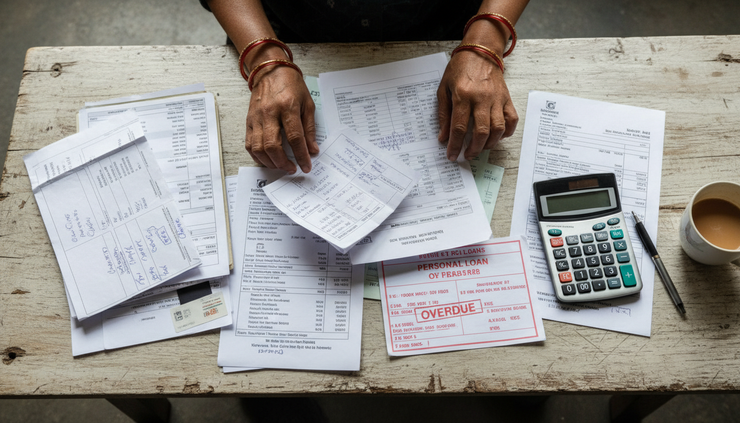
How to negotiate loan settlement with your bank or NBFC
Negotiation should be calm, written, and structured. Avoid emotional arguments or verbal promises.
Start with a written request
Send a written hardship or settlement request to the lender. You can send it by email or through the lender’s official customer support channel. If possible, also submit it at a branch and keep an acknowledgement.
Mention:
Loan account number
Reason for default
Current financial difficulty
Amount you can arrange
Request for full and final settlement
Request for written confirmation before payment
Keep the tone respectful and factual. Do not blame the lender or make threats.
Ask for the offer in writing
Before paying any settlement amount, ask for a written settlement letter on the lender’s letterhead or from an official email ID.
The letter should clearly mention:
Borrower name
Loan account number
Settlement amount
Payment deadline
Payment mode
Confirmation that the agreed amount will close the loan as full and final settlement
What will be reported to credit bureaus
Contact details of the authorised lender representative
Never rely only on a phone call, WhatsApp message from an unknown number, or verbal promise by a recovery agent.
Pay only through official channels
Make settlement payments only to the bank or NBFC through official payment modes. Do not transfer money to the personal account of an agent, field executive, or third party.
If someone insists on cash or personal transfer, refuse and ask for official payment details in writing.
Keep every receipt, payment confirmation, email, SMS, and settlement letter safely.
Hardship and settlement request letter template
Use this template as a starting point. Edit it to match your facts. Do not include false information.
Settlement request letter template Date: [DD Month YYYY] To, [Bank or NBFC Name] [Branch or Department Name, if known] Subject: Request for full and final settlement of personal loan account [Loan Account Number] Dear Sir/Madam, I am writing to request consideration of a full and final settlement for my personal loan account [Loan Account Number]. Due to [job loss / medical emergency / business loss / reduced income / other reason], I have been unable to continue regular EMI payments. My current financial situation does not allow me to clear the full outstanding amount. I request you to review my case under your applicable settlement policy and consider accepting a settlement amount of ₹[Amount You Can Pay] towards full and final closure of the above loan account. I am enclosing relevant documents for your review, including [list documents, such as bank statements, medical bills, termination letter, salary proof]. Kindly provide a written settlement offer mentioning the final amount payable, payment deadline, official payment method, and confirmation that the loan will be closed after payment as per the agreed settlement terms. I request that no payment be treated as settlement unless confirmed in writing by your authorised department. Thank you for your consideration. Yours faithfully, [Your Full Name] [Registered Mobile Number] [Registered Email ID] [Address] [PAN, optional if required by lender]
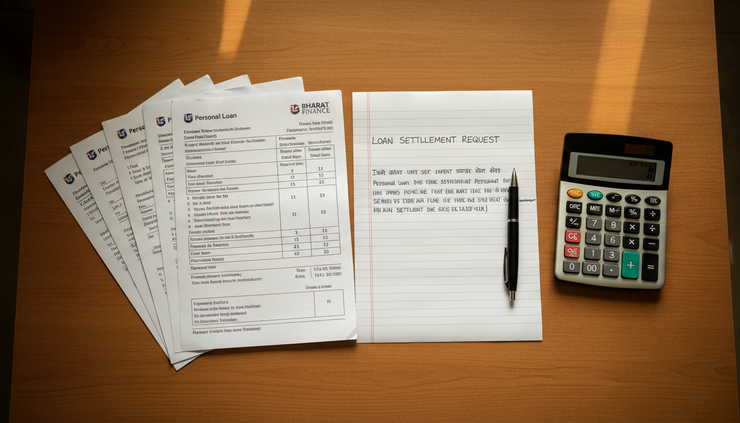
Common mistakes to avoid during an OTS scheme discussion
A settlement discussion can move quickly once the lender shows interest. That is when mistakes happen. Avoid these common errors.
Accepting the first offer without checking affordability
The first offer may not match your capacity. Review it carefully. If the amount or deadline is impossible, say so clearly and provide a revised offer based on your actual ability.
Negotiation is allowed, but it should stay respectful and realistic.
Paying before getting written confirmation
This is one of the biggest mistakes. If you pay without a written settlement letter, the lender may treat it as a part payment, not full and final settlement.
Always get the offer in writing before payment.
Paying agents personally
Never pay a recovery agent personally. Do not transfer funds to a personal UPI ID, individual bank account, or wallet.
Use only official bank or NBFC channels. Ask for a receipt after payment.
Ignoring the credit report impact
A settled account can affect your credit profile. Before agreeing, ask the lender how the account will be reported to credit bureaus. After settlement, check your credit report and follow up if the status is not updated properly.
Missing the settlement deadline
Settlement letters usually mention a payment deadline. If you miss it, the offer may become invalid. If you need more time, ask for an extension in writing before the deadline.
What happens after settlement
The process does not end when you make the payment. You still need closure documents and credit report updates.
Collect the NOC or closure letter
After paying the agreed amount, ask the lender for a No Objection Certificate, also called an NOC, or a loan closure letter.
The document should confirm that the settlement amount has been received and that the loan account has been closed as per agreed settlement terms.
Keep this document permanently. You may need it later if the lender, recovery agency, or credit bureau records create confusion.
Check your credit report
After settlement, wait for the lender to report the update to credit bureaus. Then check your credit report.
Look for:
Loan account status
Outstanding balance
Settlement remark
Date of closure
Any incorrect overdue amount
If the report still shows wrong dues after a reasonable update period, raise a dispute with the credit bureau and also write to the lender with proof of payment and NOC.
Keep all records safe
Save digital and physical copies of:
Settlement request letter
Lender’s written settlement offer
Payment proof
Receipts
NOC or closure letter
Credit report
Emails and messages from official channels
Good records protect you if a dispute comes up later.
DIY settlement or expert help from Payday Rescue
Some borrowers handle the loan settlement process India on their own. Others prefer support from a debt negotiation service like Payday Rescue.
Both routes have a place.
DIY route | Payday Rescue support |
You contact the lender yourself and manage all follow-ups. | Payday Rescue helps you prepare, communicate, and negotiate with the lender. |
You must understand the documents, settlement wording, and risks. | The team guides you on what to ask for before making payment. |
You save service fees but spend more time and effort. | You get support if you are stressed, confused, or dealing with repeated recovery calls. |
You may miss important written terms if you are not careful. | Payday Rescue helps review settlement letters, payment terms, and closure steps. |
Payday Rescue is a Bangalore-based loan settlement and debt negotiation service. The team assists borrowers who are struggling with personal loans, payday loans, app loans, credit cards, and other unsecured debt.
Expert help does not guarantee that a lender will accept a settlement. The final decision stays with the bank or NBFC. But guided negotiation can help you avoid common mistakes, organise your documents, and communicate clearly.
For a free consultation, message Payday Rescue on WhatsApp at +91 98865 50910.
A careful one time settlement can help you close the chapter
A one time settlement can give relief when a personal loan has become unmanageable, but it must be handled carefully. Know your outstanding amount, prepare proof of hardship, send a written request, negotiate within your real capacity, and pay only after receiving a written settlement offer.
After payment, collect the NOC and check your credit report. If you are unsure how to negotiate loan settlement or you feel pressured by recovery follow-ups, Payday Rescue can help you understand your options and speak to the lender in a structured way.
This article is for general information only and should not be treated as legal or financial advice for your specific case.
Need help with payday or loan app debt?
Payday Rescue helps borrowers across India settle payday loans and loan app debt, deal with recovery harassment and plan a realistic way out. Your first consultation is free and confidential.
Related guides
FAQs
What is a one time settlement in a personal loan?
A one time settlement is an agreement where the lender accepts a negotiated amount as full and final settlement of an overdue personal loan. It is subject to the lender’s policy and written approval.
Will OTS remove the loan from my credit report?
No. The loan may still appear in your credit report, usually with a settlement-related status. After payment, check that the balance and closure details are updated correctly.
Can I negotiate settlement directly with my bank or NBFC?
Yes, you can contact the lender directly, submit a hardship request, and negotiate. Make sure every settlement term is given in writing before you pay.
Should I pay a recovery agent for settlement?
No. Do not pay any agent personally. Pay only through the official bank or NBFC payment channel and keep proof of payment.
Can Payday Rescue guarantee settlement approval?
No. No service can guarantee approval because the lender makes the final decision. Payday Rescue can help with documentation, communication, negotiation support, and closure follow-up.
More guides on this topic: Payday Loan Settlement in India: The Complete Step-by-Step Guide · Payday Loan Settlement Services in India: How Payday Rescue Works, Who It Helps and What It Costs · Settle Multiple Loan Apps at Once with a Practical Plan
Related help: see how our payday loan settlement service in India works, and know your rights if recovery agents harass you.
About Payday Rescue: Payday Rescue Pvt. Ltd. is a Bengaluru-based debt advisory and negotiation service that has helped 2K+ borrowers across India deal with payday, loan app, personal loan and credit card debt. We are not a lender, NBFC or law firm. Office: 1198, Basement Floor, 3rd Main, 8th Cross Rd, BDA Layout, Chandra Layout, Bengaluru 560026.
Talk to us: call or WhatsApp +91 98865 50910, email support@paydayrescue.in (Mon–Sat, 9am–9pm). About us · Contact · Free consultation
Last updated: October 2026.


Comments